There’s no penalty for paying off your IRS payment plan early. In fact, if you pay tax debt quickly, it’s likely the installment plan fee will be waived. You can avoid the fee by paying the full amount within 120 days. If you owe more than $50,000, call the IRS at 800-829-1040 to discuss your tax debt options.
Can I add to my IRS installment agreement?
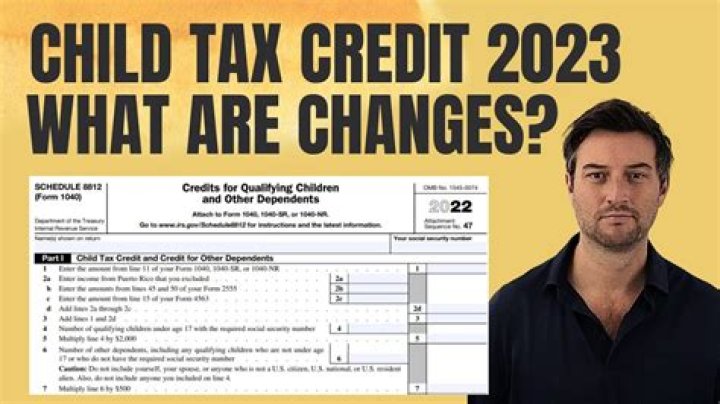
You can request an amendment to the installment agreement by: Calling the IRS at 1-800-829-7650. Visiting a local IRS office. Completing Form 9465 with information about both the original agreement balance and the expected new balance.
When do I have to pay IRS installment agreement?
If the IRS approves your payment plan (installment agreement), one of the following fees will be added to your tax bill. Changes to user fees are effective for installment agreements entered into on or after April 10, 2018. For individuals, balances over $25,000 must be paid by direct debit.
When does interest accrue on an installment agreement?
Interest and failure-to-pay penalties continue to accrue until the total outstanding tax balance is paid in full. Fees Charged On Installment Agreements Many installment agreements with the IRS require payment of additional fees, in order to set up plans and arrange payment methods.
How to set up a payment plan with the IRS?
Long-term payment plan, also known as an installment agreement Long-term IRS payment plans are for larger tax debts that may require more time to repay. The IRS recommends an online payment agreement for reduced setup fees. You can also mail a completed Form 9465, Installment Agreement Request or submit it at an IRS walk-in office.
What are the fees for an installment agreement?
Apply (revise) by phone, mail or in-person: $43 fee, which may be reimbursed if certain conditions are met. $0 fee for changes made to existing Direct Debit installment agreements. Note: If making a debit/credit card payment, processing fees apply. Processing fees go to a payment processor and limits apply.